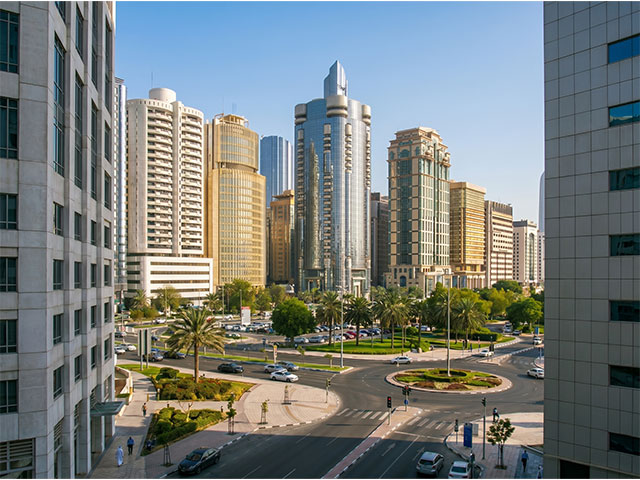


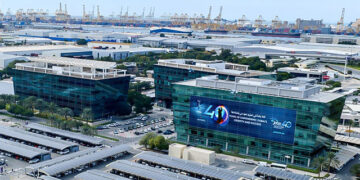
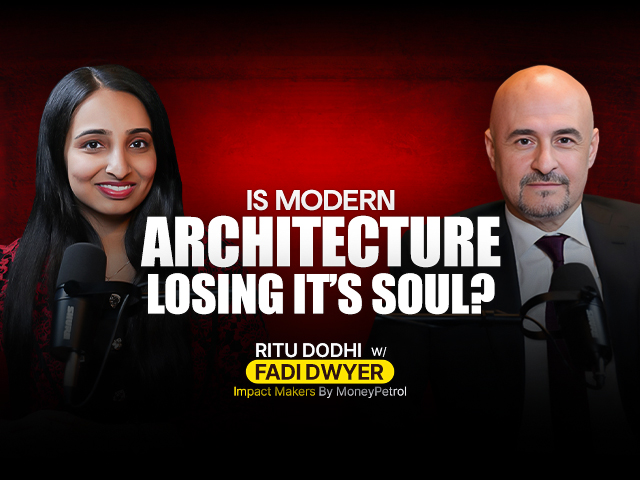
Dubai’s skyline did not build itself. Behind every iconic structure is a story of vision, cultural depth, and an architect willing to ask harder questions than the brief demands. In a recent episode of Impact Makers by MoneyPetrol, powered by RG Group, architect Fadi Dwyer, Founder of Extreme Line Engineering Consultancy, shared a perspective on design that is as rare as it is valuable.
From Ancient Syria to the Heart of Dubai’s Construction Boom
Fadi Dwyer grew up surrounded by centuries of architectural history in Syria, where buildings were not designed for aesthetics alone but for climate, community, and longevity. That early exposure gave him something most modern architects spend careers searching for: a deeply rooted sense of why buildings exist.
Moving to Dubai introduced him to a completely different pace and philosophy. A city building faster than almost anywhere else on earth, Dubai offered Fadi the opportunity to merge traditional wisdom with cutting-edge innovation, producing structures that are visually striking, functionally sound, and culturally meaningful.
Why Traditional Architecture Was Sustainable Before Sustainability Was a Trend
One of the most compelling points Fadi raises is that traditional architecture was inherently sustainable, not by philosophy, but by necessity. Ancient builders used local materials, designed for natural ventilation, and oriented structures around the sun and wind because they had no alternative.
Modern construction, by contrast, often layers expensive technology onto poorly conceived designs to compensate for what good architecture would have solved from the beginning. Fadi argues that true sustainability requires merging nature with modern materials rather than treating green credentials as an afterthought.
The Three Pillars Every Architect Must Balance
Across his 30-year career spanning Dubai, the wider Middle East, and North Africa, Fadi has returned consistently to what he calls the three pillars of architecture: function, beauty, and cost. Remove any one of them and the project fails, regardless of how impressive it looks on a render.
This framework has guided landmark projects including a Kiev IT Park in Ukraine that blended the country’s war history with a forward-looking design language, a five-star hotel in Syria designed to express cultural generosity and national identity, and an Egypt security factory inspired by ancient symbolism and the idea of rebirth.
How Leadership and Policy Create the Conditions for Great Architecture
Dubai does not build fast simply because it has money. Fadi is clear on this point. Speed and quality at scale require aligned leadership, coherent policy, and a government willing to back long-term vision over short-term caution.
The UAE’s leadership model, he argues, creates an environment where architects and developers can execute at a level that would take decades of bureaucratic navigation elsewhere. That alignment between political vision and construction ambition is one of the primary reasons Dubai continues to attract global investors and world-class design talent.
Designing for Humanity, Not for Ego
Perhaps the most thought-provoking moment in the conversation comes near the end, when Fadi poses a question that cuts to the heart of the profession. Is architecture being done for ego or for humanity?
His answer, shaped by three decades of building across cultures and contexts, is that the best architecture disappears into the lives of the people who use it. It serves before it impresses. It endures because it was built with purpose, not performance.
For anyone working in real estate, construction, urban development, or design in the UAE and beyond, this conversation is worth your full attention.
Watch the full episode on MoneyPetrol across YouTube, Instagram, LinkedIn, and all major platforms.
For more trusted business news, market insights, and investment updates from the UAE and beyond, visit www.moneypetrol.com and stay ahead of the curve.
🎧 Watch & subscribe to MoneyPetrol podcasts on YouTube for in-depth conversations with industry leaders and decision-makers.
Follow us on Instagram for real-time updates, expert perspectives, and exclusive content.