




The Strait of Hormuz Chokepoint, Explained
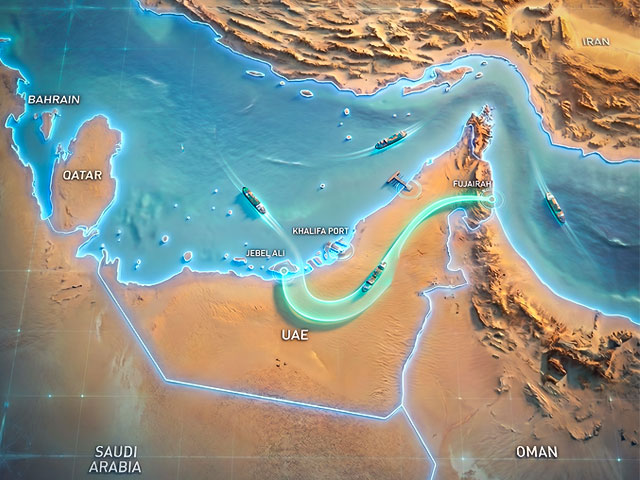
Around 20 million barrels of oil pass through the Strait of Hormuz every single day — roughly 25% of all global seaborne oil trade. Any disruption to this narrow corridor sends shockwaves through global energy markets. So the question that matters right now is, what’s Plan B?
ADNOC’s Fujairah Pipeline
ADNOC is currently building a major pipeline to Fujairah that will nearly double export capacity. The project is close to 50% complete. Fujairah sits on the Gulf of Oman—entirely outside the Hormuz chokepoint—making it a strategic bypass route for UAE crude exports.
Etihad Rail and Alternative Port Routes
Etihad Rail is accelerating the shift of industrial supply chains inland. Ports like Khor Fakkan have seen container volumes surge from 2,000 to 50,000 units per week as trade routes reorient away from the strait. Oman is also emerging as a critical transit corridor for GCC trade.
What This Means for Investors
This is not just crisis management. It’s a fundamental redrawing of how the Gulf moves energy and goods. For investors and businesses tracking UAE infrastructure, logistics, and real estate, these shifts create long-term opportunities across free zones, industrial corridors, and port-adjacent development.
For more trusted business news, market insights, and investment updates from the UAE and beyond, visit www.moneypetrol.com and stay ahead of the curve.
Watch & subscribe to MoneyPetrol podcasts on YouTube for in-depth conversations with industry leaders and decision-makers.
Follow us on Instagram for real-time updates, expert perspectives, and exclusive content.