


In March 2025, Louis Vuitton erected a pop-up in the Dubai desert. Guests arrived for a private suhoor, drinks in hand, surrounded by sand dunes and the quiet spectacle of one of fashion’s most storied houses. It was not a permanent store. It was not a traditional launch event. It was something more deliberate — a calculated, time-limited immersion into the brand’s world, designed to be felt rather than simply seen.
Such an event perfectly captures the essence of what Dubai is the world’s most fertile ground for the pop-up economy.
The GCC pop-up and experiential retail sector is valued at USD 1.2 billion, driven by a 30% increase in regional consumer spending on experiences. Dubai accounts for the lion’s share. The UAE retail market was valued at USD 44.38 billion in 2024 and is projected to reach USD 61.89 billion by 2030. The 30th Dubai Shopping Festival alone generated more than AED 30 billion, attracting upwards of 10 million visitors. The audience is here, the spending is happening, and the appetite is enormous.
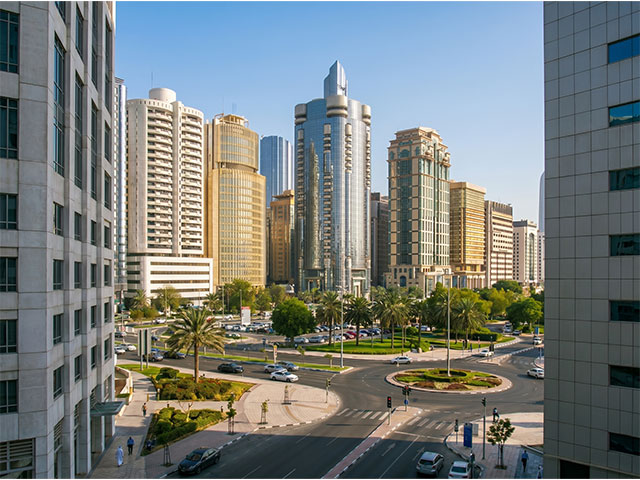
For global brands in luxury, fashion, beauty, and lifestyle, Dubai has become the preferred launchpad for market entry and regional expansion. The logic is unusually well-suited to this city.
Dubai is home to roughly 200 nationalities. Its 9.88 million overnight visitors in the first half of 2025 ensure a constant rotation of high-spending travelers moving through the city’s retail corridors. A pop-up here simultaneously reaches affluent Emirati consumers, resident expatriates, and international tourists — a cross-section that would take years and multiple markets to engage separately.
The financial case is equally compelling. Prime retail rents across Dubai’s key districts rose between 7% and 15% year-on-year in 2025, with mall occupancy at major properties averaging 98%. In that environment, the ability to occupy premium space temporarily — and exit cleanly — carries significant strategic value. Pop-up formats let brands enter new markets within weeks rather than months, without the long-term lease commitment that permanent retail demands.
Dubai’s market is built for experiences more than products, consumers don’t just witness or purchase luxury, they feel it directly. Pop-up stores offer modern audiences to feel the brand through their senses.
These spaces deploy the brand’s full sensory language — sound, smell, touch, taste, visual design — to create a direct emotional connection that no billboard or digital campaign can replicate.
By creating interactive experiences, brands make use of other senses beyond visual. Through sound, smell, touch, and even taste, they can build strong connections with their audiences and enhance the experience of the brand while keeping it intimate. Take for example, Dior’s concept store at Jumeirah Beach, YSL’s pop-up mart at Dubai Mall, or DIFC’s latest run with ROOFLINE. This new space boosted DIFC’s status as a vibrant hotspot for dining culture and lifestyle. By mirroring the city’s pace by featuring a constantly changing run of concepts and pop-ups.
Immersive experience triggers a wave of social media engagement. Eye-catching installations, layouts, and giveaways all trigger visitors to share content from their interactions with the brand. The store simply becomes the catalyst for organic reach and engagement beyond the limits of traditional marketing.
In an era where consumption has become mediated and digitized, experiential marketing grounds shopping in something tangible. GCC data supports this shift, 75% of residents are more willing now than ever to allocate their monthly budgets for experiences.
The pop-up’s power is also structural. Its time-limited nature creates urgency that permanent retail cannot manufacture. Affluent shoppers respond to exclusivity with particular force, and the single-weekend activation that the brand experience that simply will not exist next month, further drives footfall and conversion rates that static stores consistently struggle to match.
Beyond sales, these activities function as organic marketing engines. An immersive installation in Dubai Mall produces a volume of user-generated social content that a conventional campaign would cost significantly more to approximate. Visitors document, share, and amplify the experience across Instagram and TikTok, extending the brand’s reach far beyond the physical space.
The data dimension matters too. Pop-ups allow brands to collect direct consumer feedback — on pricing, product reception, and demographic response — in a live commercial environment. That intelligence informs decisions about permanent retail entry and product localisation, making each activation a research exercise as much as a revenue moment.
For global brands mapping their next move, Dubai remains what it has quietly become over the past decade: not just a market, but a proving ground.
For more trusted business news, market insights, and investment updates from the UAE and beyond, visit www.moneypetrol.com and stay ahead of the curve.
🎧 Watch & subscribe to MoneyPetrol podcasts on YouTube for in-depth conversations with industry leaders and decision-makers.
Follow us on Instagram for real-time updates, expert perspectives, and exclusive content.