
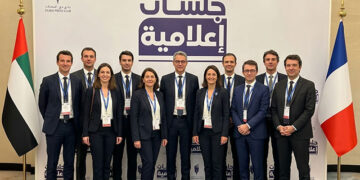

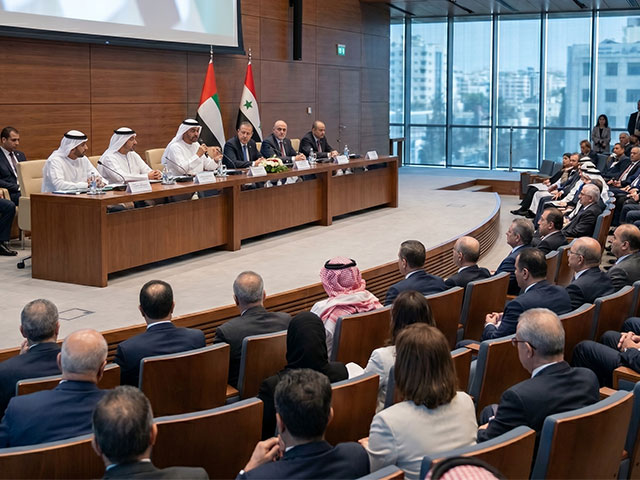
A landmark moment in Syria’s economic reintegration unfolded this week as the UAE and Syria convened their first bilateral business forum in Damascus, the largest Emirati commercial delegation to visit the Syrian capital since the fall of Bashar Al Assad’s regime in December 2024.
What the Forum Is About
UAE Minister of State for Foreign Trade Dr Thani Al Zeyoudi said the forum aims to “crystallise joint projects based on mutual interests” across investment and commercial sectors. Humaid Mohamed Ben Salem, Secretary General of the UAE Chambers, said Syria’s investment legislation was now in place and that Emirati corporate interest in partnerships in Syria was “very high.” Syrian President Ahmad Al Shara is scheduled to attend on Tuesday.
Syria’s Rapid Reintegration Into the Global Economy
The forum arrives at a pivotal moment. The US removed its Syria sanctions programme by executive order in July 2025, and Congress repealed the Caesar Act in December. Visa and Mastercard resumed card processing in Syria after a 15-year absence, with Qatar National Bank activating services within days. Damascus has since reconnected with the IMF and World Bank, begun reconnecting with the Swift network, and in March reactivated its account at the Federal Reserve Bank of New York for the first time since 2011.
UAE Already Committing Capital on the Ground
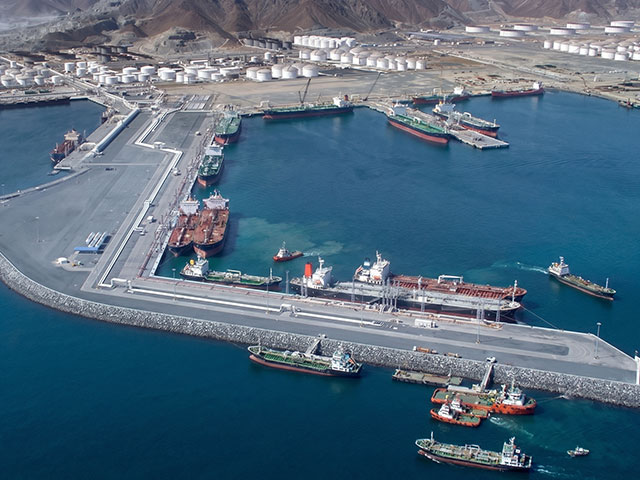
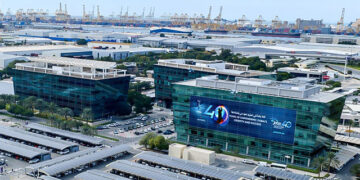
Emirati businesses are not waiting. The UAE’s DP World signed a 30-year agreement to manage the port of Tartous, pledging $800 million in modernisation investment. Sharjah’s Dana Gas also signed a preliminary deal with the Syrian Petroleum Company to redevelop gasfields near Homs.
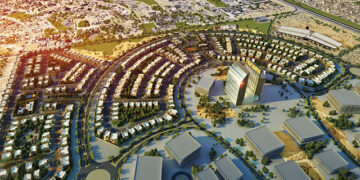
Mohamed Alabbar, founder of Emaar Properties and Eagle Hills, visited Damascus and Latakia as Syria eyes Emirati capital for post-war reconstruction. Eagle Hills’ proposed plans include a coastal development in Latakia spanning approximately 15 million square metres, covering over 29,000 housing units, 2,800 hotel rooms, and 5.5 million square metres of landscaped areas.
A $216 Billion Reconstruction Opportunity
The scale of the opportunity is enormous. The World Bank estimates reconstruction will cost around $216 billion, approximately 10 times Syria’s 2024 GDP. Syria received $28 billion in Gulf investment across all sectors in 2025, after amending its foreign investment law to permit full foreign ownership of projects.
Syria is also looking to revive its energy industry with Gulf assistance. Before the civil war, Syria produced 380,000 barrels of oil per day, making it the Mediterranean’s only significant crude producer. Output fell by around 80 per cent during the war, and the Ministry of Energy is now seeking more than $30 billion to rehabilitate the oil, gas, electricity, and water sectors.
Calls to Cut Red Tape as Investment Interest Surges
Not everyone is satisfied with the pace of progress. Mazen Derwan, chief executive of the Chambers of the Syrian Industry Federation, said at the event that reconstruction must serve all income levels, from families still displaced to returning expatriate Syrians, and called on the government to further reduce bureaucratic barriers to investment.
For the UAE, the Damascus forum is both a commercial opening and a geopolitical signal: that Gulf capital is ready to help rebuild Syria, and that Abu Dhabi intends to be at the centre of that effort.
For more trusted business news, market insights, and investment updates from the UAE and beyond, visit www.moneypetrol.com and stay ahead of the curve.
Watch & subscribe to MoneyPetrol podcasts on YouTube for in-depth conversations with industry leaders and decision-makers.
Follow us on Instagram for real-time updates, expert perspectives, and exclusive content.